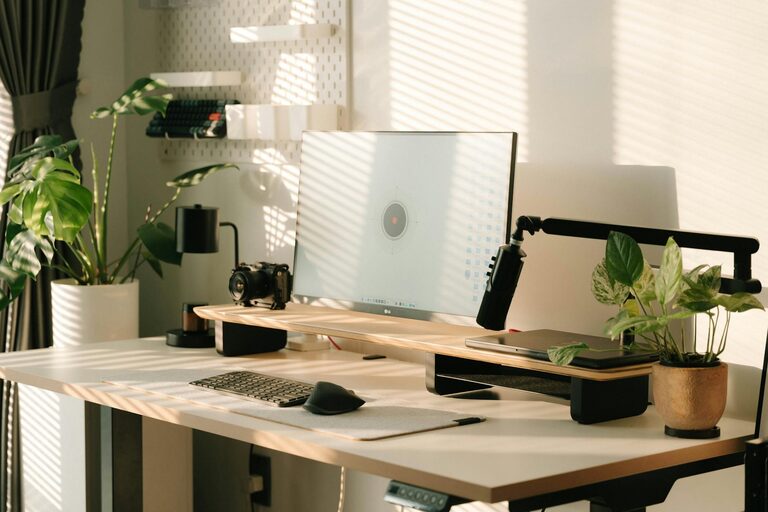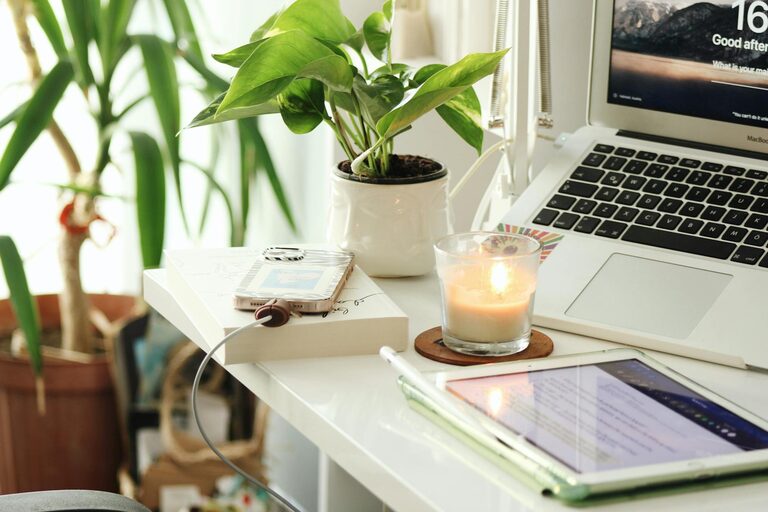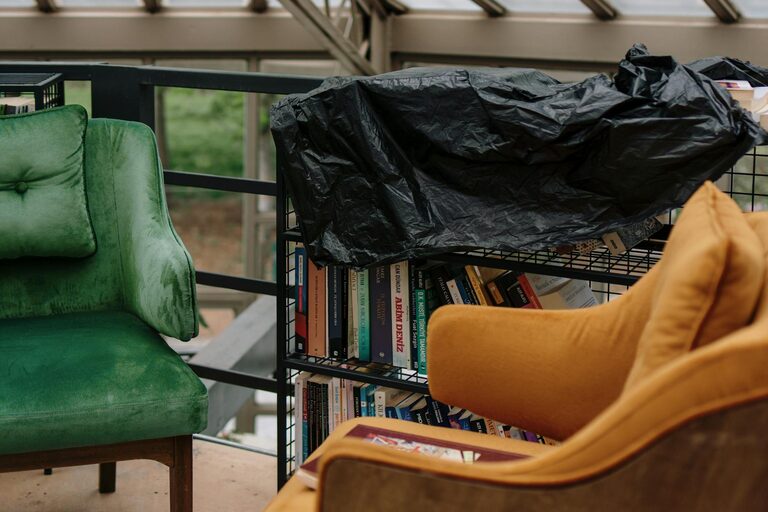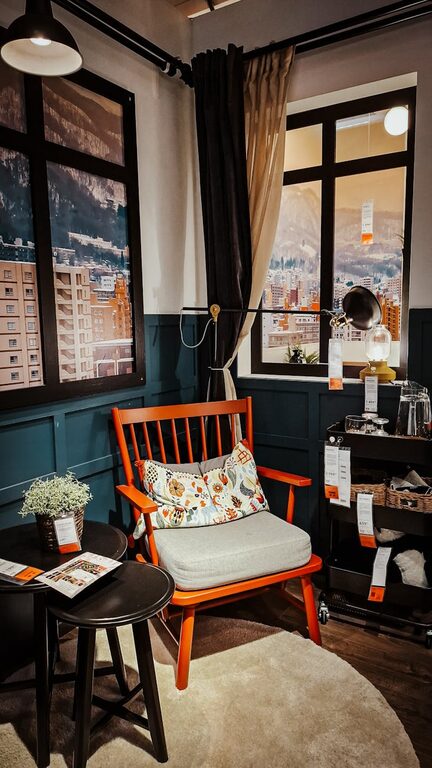
Creating a cozy and productive home office space is essential for anyone working from home or managing personal projects. A well-designed workspace can boost your focus, creativity, and overall work satisfaction. In this post, we explore practical tips to help you create a home office environment that is both comfortable and efficient.
Choose the Right Location
Selecting the perfect spot for your home office is the first crucial step.
– Natural Light: Aim for a space with plenty of natural light. A window nearby not only brightens your room but also helps regulate your mood and energy.
– Quiet Area: Choose a quiet corner or room where distractions are minimal.
– Space Requirements: Ensure there’s enough room for your desk, chair, and any additional equipment without feeling cramped.
Invest in Comfortable Furniture
Your chair and desk are the foundation of your workspace comfort.
– Ergonomic Chair: Choose a chair that supports good posture, with adjustable height and lumbar support.
– Appropriate Desk: Select a desk that fits your working style. If you prefer standing sometimes, consider a height-adjustable desk.
– Extra Seating: If space allows, add a small couch or armchair for reading or brainstorming.
Organize Your Space Efficiently
Organization helps keep your mind clear and streamlines your workflow.
– Storage Solutions: Use shelves, drawers, or filing cabinets to store documents and office supplies.
– Desk Accessories: Keep only essential items on your desk to avoid clutter.
– Cable Management: Use clips or sleeves to keep cords tidy and out of the way.
Personalize for Comfort and Inspiration
Adding personal touches can make your workspace inviting and motivating.
– Colors: Choose color schemes that calm or energize you. Blues and greens are calming, whereas yellows and oranges can stimulate creativity.
– Plants: Adding plants can improve air quality and bring nature indoors.
– Artwork and Photos: Display inspiring artwork or photos that make you feel happy and focused.
Optimize Lighting
Proper lighting is vital for reducing eye strain and maintaining energy.
– Ambient Lighting: A ceiling light provides overall illumination.
– Task Lighting: Use a desk lamp with adjustable brightness for focused work.
– Avoid Glare: Position your computer and lighting to reduce screen glare.
Incorporate Technology Thoughtfully
The right technology can boost your productivity without overwhelming your space.
– Reliable Internet: Ensure you have a strong internet connection for virtual meetings and cloud work.
– Quality Equipment: Invest in good-quality monitors, keyboards, and webcams to enhance your work experience.
– Noise-Canceling Tools: Consider noise-canceling headphones if your environment is noisy.
Schedule Break Areas Within Reach
Taking breaks is important to stay refreshed and avoid burnout.
– Mini Break Zone: Keep a small area with a comfy chair or cushions for short breaks.
– Hydration Station: Have a water bottle or coffee maker nearby to stay hydrated and energized.
Keep Air Quality Fresh
A well-ventilated office helps maintain focus and comfort.
– Open Windows: Regularly open windows to circulate fresh air.
– Air Purifiers: Use an air purifier if necessary to reduce allergens and dust.
– Temperature Control: Maintain a comfortable temperature with fans or heaters as needed.
Set Boundaries and Routine
Finally, create mental and physical boundaries for work-life balance.
– Dedicated Work Hours: Define specific working hours and stick to them.
– Clear Start and End: Use rituals like tidying your desk at the end of the day to signal work time is over.
– Limit Interruptions: Communicate your work schedule to family or housemates to minimize disruptions.
—
Creating a cozy and productive home office is about balancing comfort with functionality. By thoughtfully designing your space, organizing efficiently, and incorporating elements that inspire, you can enjoy a workspace that supports your best work while feeling welcoming and relaxed. Start small, keep experimenting, and tailor your office to what works best for you.
About the Author